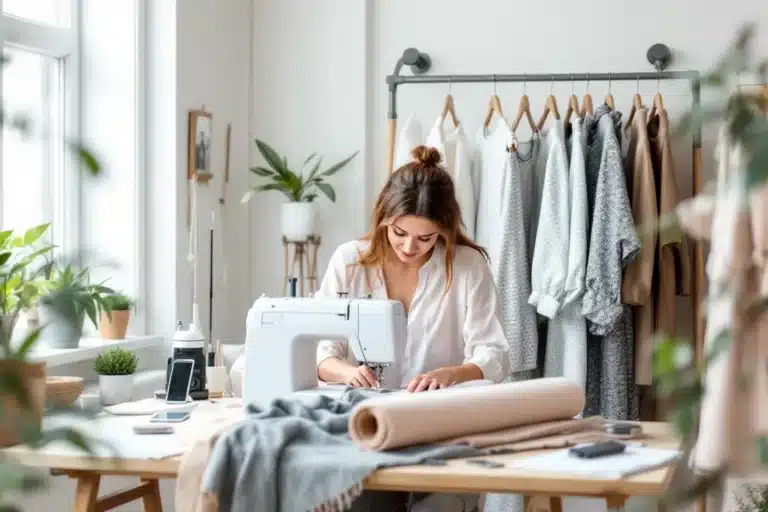
Fashion is one of the most personal forms of self-expression. The clothes we choose signal our values, our identity and the story we want to tell the world. For Kiwis, that story has often been written by international brands and fast-fashion chains. Yet a quiet shift has been happening across Aotearoa, driven by a wave of independent designers who are crafting clothing with a distinctly local voice.
Supporting these makers is about more than owning a beautiful garment. It is about investing in the people, the craft and the communities that shape our culture. When you buy from a New Zealand fashion designer, you are not just filling your wardrobe. You are helping a small business grow, reducing the environmental footprint of your clothing and keeping creative talent right here at home.
There is something unmistakably New Zealand about the work of our homegrown designers. It appears in the way they play with natural tones, incorporate wool and merino, or draw on the forms of the landscape. You see it in the relaxed silhouettes that suit a lifestyle built around coastlines, bush walks and open skies, and in the subtle nods to Māori and Pacific design traditions that give garments a deeper cultural texture.
This aesthetic is not something a global fast-fashion label can easily replicate. It comes from living here, understanding the light, the seasons and the way Kiwis move through their day. Designers such as Karen Walker, Kate Sylvester and the late, celebrated Doris de Pont have all shown how local talent can earn international recognition while staying true to a New Zealand sensibility. Smaller studios are now following that path, producing limited runs that feel personal and considered rather than mass-produced.
When you wear a piece made by a local designer, you carry that distinctiveness with you. The compliments you receive often come with the question “Where did you get that?” and the answer starts a conversation about craft rather than a chain store.
Fast fashion has a well-documented environmental cost, from water pollution to textile waste piling up in landfills. Buying from a New Zealand designer does not erase the fashion industry’s footprint, but it shifts the equation. Small local production runs mean less overstock, fewer unsold garments and a supply chain you can actually trace. Many Kiwi designers are open about their materials and manufacturing, and some manufacture right here, adhering to our employment and safety standards.
The Ministry of Business, Innovation and Employment describes the creative sector as a significant contributor to the economy and a driver of innovation. Fashion is a vibrant part of that sector, yet it operates on thin margins. Every purchase from a local label helps sustain ethical production practices that would be impossible for a brand chasing the lowest possible price per garment.
Choosing local also cuts down on the carbon miles that come with shipping goods across the globe. A dress made in Auckland or Wellington does not need to travel halfway around the planet to reach your wardrobe. For a country as geographically isolated as New Zealand, that reduction matters, even if it is only one piece at a time.
Discovering New Zealand fashion talent is easier than many people think. Start with online platforms like Felt, which specialise in handmade and locally designed goods, or browse the curated selections at stores such as The Shelter or Superette. Markets like the Auckland Art & Craft Fair and Wellington’s Underground Market regularly showcase emerging designers alongside established names. Social media, particularly Instagram, has also become a powerful shop window where designers share their processes and connect directly with customers.
If you prefer a physical experience, keep an eye out for studio open days and pop-up events. These give you the chance to try on pieces, feel the fabric and talk to the person who designed it. Many designers welcome custom orders or small alterations, something you will never get from a mass-market retailer. Building a relationship with a maker adds a layer of satisfaction that extends well beyond the transaction.
It is worth remembering that supporting local does not always mean buying new. Preloved and vintage New Zealand brands often surface in op-shops and on resale apps, and those pieces carry their own charm while still backing the concept of local design.
Shifting your spending to local fashion encourages a more intentional approach to getting dressed. Instead of impulse buying whatever is on trend, you begin to look for pieces that fit your life and your personal style over several seasons. A wool coat from a Christchurch designer or a linen shirt sewn in the Hawke’s Bay becomes a staple you reach for again and again, not something that falls apart after three washes.
This kind of curation works well with the capsule wardrobe method that many Kiwis are already adopting. A few high-quality, locally made items can anchor a collection of basics and stop you from feeling you need a new outfit for every occasion. The cost per wear often ends up being lower than you would get from cheaper alternatives, especially when you factor in longevity and the pleasure of wearing something made with care.
Curating with purpose also means thinking about the life cycle of the garment. Many New Zealand designers offer repair services or take-back schemes. That kind of aftercare is rare in the wider industry and shows a genuine commitment to keeping clothing out of landfill.

When you back a local fashion label, you do more than buy a piece of clothing. You help preserve the craft skills that make New Zealand design distinctive, you support fair working conditions and you contribute to a creative economy that enriches all of us. The next time you are tempted by a cheap import, pause and ask yourself whether you could instead invest in something made by the talented people who call this country home. Your wardrobe will be all the better for it, and so will the community around you.
This article is brought to you by Cutting Club. We combine cutting-edge insights and expertise from across various fields to deliver valuable, engaging content. Hungry for more? Explore our latest posts and stay informed with the best in SEO & Digital Marketing, Tech & Innovation, Health & Wellness, Finance & Investment, Lifestyle & Fashion, and Real Estate Insights!