There is a peculiar irony in modern wellness culture. We spend $15 a month on meditation apps, book float tank sessions, and dutifully log our mood in digital journals — all while ignoring one of the most reliable mood boosters humans have ever known: putting your hands in soil and growing something.
Gardening is not a hobby you hear about in Silicon Valley pitch decks. It does not have a subscription model. There is no push notification when your basil needs watering. But the evidence is overwhelming — and it has been for decades. Time spent tending to plants reduces cortisol, improves mood, and provides a rare thing in modern life: a task with a visible beginning, middle, and end. You plant a seed. You water it. Something grows. The loop is complete.
The problem, in New Zealand at least, is that outdoor gardening is seasonal. Come May, your tomatoes are dead and the garden is mud. That is where indoor growing changes the equation — and where the technology has quietly caught up with the ambition.
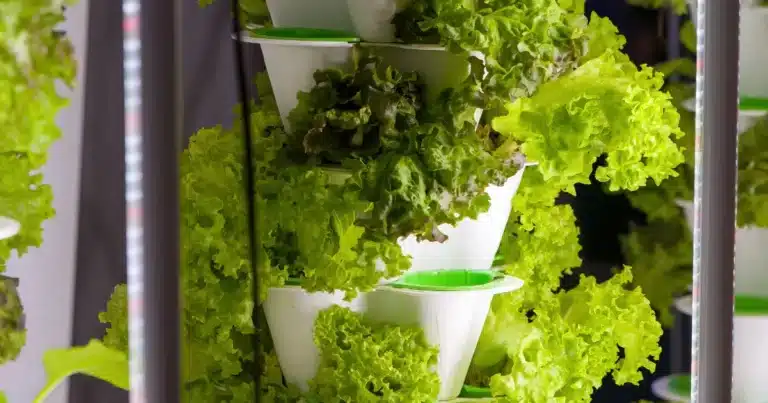
Modern LED grow lights have transformed what is possible indoors. A compact quantum board light draws a fraction of the power of old HPS bulbs, produces almost no heat, and delivers the full spectrum of light plants need to grow from seedling to harvest. Pair it with a small grow tent — lightproof, reflective, pre-ported for ventilation — and you have a micro-garden that runs 365 days a year regardless of what the weather is doing outside.
The mental health benefits are not theoretical. A 2022 study from the University of Florida found that gardening activities lowered stress and anxiety scores significantly more than reading — a finding consistent with decades of research on the therapeutic effects of horticulture. The Mental Health Foundation of New Zealand has long championed connecting with nature as one of the five ways to wellbeing, alongside giving, being active, taking notice, and continued learning.
Gardening indoors hits all five at once. You are active. You are learning — because growing plants well requires trial and error. You take notice — because you check your plants daily, watching for new growth or the first sign of a nutrient deficiency. You give — whether it is giving fresh herbs to a neighbour or giving yourself the satisfaction of cooking with something you grew. And you connect — with a living thing that depends on you.
For anyone living in an apartment, a rental with no garden, or a house where the outdoor space gets three hours of sun in July, an indoor setup is the difference between gardening as a seasonal hobby and gardening as a daily wellness practice.
Setting up an indoor garden is simpler than most people think. A beginner can get a 50×50 cm tent, a 100W LED light, a small fan, and a few pots for under $300. Start with herbs — basil, coriander, parsley — or fast-growing leafy greens like lettuce and spinach. You will be harvesting within weeks, and the satisfaction of cooking a meal with ingredients you grew yourself in the middle of winter is genuinely hard to beat.
Grow Warehouse is the obvious starting point for New Zealanders. Auckland-based, with local stock and 2–3 day shipping nationwide, they carry everything from entry-level starter kits through to full commercial rigs — tents, LED lights, ventilation, nutrients, and propagation gear. No generic dropshipping, no mystery brands. Just quality equipment shipped discreetly in plain packaging, with actual phone support if you get stuck.
The wellness industry will keep selling you apps, supplements, and retreats. None of them come with fresh basil. Start there.

This article is brought to you by Cutting Club. We combine cutting-edge insights and expertise from across various fields to deliver valuable, engaging content. Hungry for more? Explore our latest posts and stay informed with the best in SEO & Digital Marketing, Tech & Innovation, Health & Wellness, Finance & Investment, Lifestyle & Fashion, and Real Estate Insights!