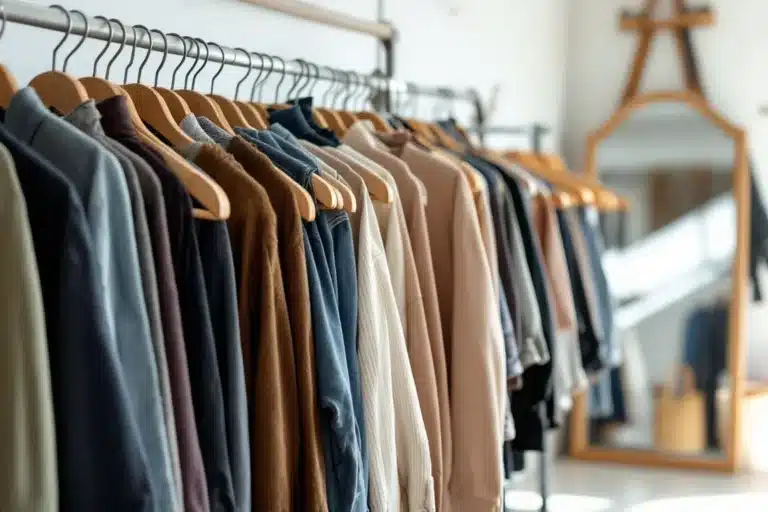
Something has shifted in the way Kiwis dress. Where once a trip to the local op shop was framed as a budget necessity or a quirky weekend hobby, second hand fashion has moved firmly into the mainstream. Spend an afternoon in any New Zealand city and you will spot vintage denim, pre-loved designer bags, and carefully curated outfits that owe nothing to the mall and everything to a growing movement toward thoughtful consumption.
The numbers back this up. Online resale platforms report strong year-on-year growth, physical op shops are busier than ever, and clothing swap events sell out within hours. What was once a quiet corner of the retail sector has become a genuine force, and it is reshaping how we think about value, style, and waste.
For anyone who cares about looking good without contributing to the mountains of textile waste produced every year, this shift offers real opportunity. The question is no longer whether second hand is acceptable. It is how to do it well.
The reasons behind the boom are practical as much as they are ethical. Cost of living pressures have made people far more open to buying quality items at a fraction of retail price. A well-made wool coat that retails new for several hundred dollars can often be found second hand for a tenth of that, provided you know where to look.
At the same time, awareness of the fashion industry’s environmental footprint has grown sharply. Clothing production consumes enormous quantities of water and generates significant emissions, and far too much of it ends up in landfill. Buying pre-loved extends the life of garments that already exist, which is one of the simplest ways to reduce your personal impact.
Social media has played its part too. Thrift hauls, styling videos, and resale app finds have turned second hand shopping into something aspirational rather than something to be embarrassed about. Younger shoppers in particular treat it as a creative challenge: how do you build a distinctive wardrobe without buying anything new?
The options have never been wider. Traditional op shops run by organisations such as Hospice and the Salvation Army remain the backbone of the sector, offering low prices and a constantly rotating stock. Success here comes down to frequency and patience. Pop in regularly rather than expecting to find a full outfit in one visit.
Consignment and vintage stores sit at the higher end, curating their racks and pricing accordingly. These shops suit anyone hunting for a specific era, a special occasion piece, or a designer label without the designer price tag. Staff are usually knowledgeable and happy to talk you through what is worth buying.
Online marketplaces have expanded access dramatically. Platforms like Trade Me, along with dedicated resale apps, let you search by brand, size, and style from your couch. The trade-off is that you cannot try things on, so ask for measurements rather than trusting a listed size. Sizes vary enormously between labels and between decades.
The most stylish second hand shoppers tend to be the most selective. Rather than grabbing everything cheap, they buy fewer pieces and choose well. Look for natural fibres such as wool, linen, and cotton, which tend to age gracefully and can be repaired. Check seams, zips, and underarms before committing, since these are the areas that fail first.
Fit matters more than label. A modest garment that fits you properly will always look better than a designer piece that does not. If something is close but not quite right, a good tailor can often adjust it for a reasonable price, and the result is a piece that fits you better than anything off the rack.
It also pays to think in terms of a capsule. A handful of versatile items that work together will carry you through far more situations than a wardrobe stuffed with one-off purchases. Second hand shopping suits this approach perfectly, because you can afford to hold out for exactly the right piece instead of settling for something new and mediocre.
Once you have built a collection worth keeping, maintenance becomes the priority. Wash less often, use cooler temperatures, and air garments between wears. These small habits preserve colour and structure, and they cut your household energy use at the same time.
Learn a few basic repairs. Replacing a button or stitching a hem takes minutes and saves a garment from the bin. For bigger jobs, local alteration services are inexpensive and widely available. Shoes and leather goods benefit from regular conditioning, which keeps them supple and prevents cracking.
Storage matters too. Fold knits rather than hanging them, keep items out of direct sunlight, and use breathable covers for anything delicate. A little care at this stage means the pieces you love will still be wearable in ten years, which is the whole point of buying quality in the first place.

Second hand fashion is part of a broader change in consumer behaviour. People are increasingly asking where things come from, who made them, and what happens when they are finished with them. That curiosity is reshaping retail well beyond clothing.
For those interested in the environmental side, the Ministry for the Environment publishes useful information on waste and sustainable consumption at environment.govt.nz. It is a helpful starting point if you want to understand the scale of the issue and what is being done about it.
There is a social dimension as well. Shopping second hand often means supporting local charities, small business owners, and community initiatives. Money spent this way tends to stay closer to home, which is a genuine benefit in smaller towns and suburbs.
If you are new to this, start small. Pick one category, such as jackets or jeans, and commit to buying only second hand in that area for three months. You will quickly learn what to look for and how to spot quality, and the savings will speak for themselves.
Set a realistic budget and stick to it. The low prices can encourage impulse buying, which defeats the purpose. A short list of what you actually need will keep you focused and prevent the wardrobe from filling up with things you never wear.
Finally, remember that second hand shopping is a skill. It rewards attention, patience, and a bit of knowledge. The more you practise, the better your results, and the less you will feel tempted by fast fashion.
The shift toward pre-loved clothing is not a passing trend. It reflects a genuine change in how New Zealanders think about value, sustainability, and personal style. Whether you are hunting for a bargain, building a distinctive wardrobe, or simply trying to waste less, second hand fashion offers a practical and rewarding path. Start with one item, learn as you go, and you may find it changes the way you shop for good.
This article is brought to you by Cutting Club. We combine cutting-edge insights and expertise from across various fields to deliver valuable, engaging content. Hungry for more? Explore our latest posts and stay informed with the best in SEO & Digital Marketing, Tech & Innovation, Health & Wellness, Finance & Investment, Lifestyle & Fashion, and Real Estate Insights!