As a residential landlord in New Zealand, you have a legal responsibility to provide tenants with a warm, dry and healthy living environment. The Healthy Homes Standards, introduced in 2019, set specific minimum requirements for heating, insulation, ventilation, moisture ingress and draught stopping. These rules apply to all private rentals, boarding houses and community housing tenancies from specific dates, and failing to meet them can result in financial penalties and Tenancy Tribunal orders.
While many landlords have already upgraded their properties, the standards remain a frequent source of confusion—especially when it comes to the technical details of what’s required. This guide walks through each of the five standards, explains what you need to do to comply, and points you to the official resources that can help you get it right.
The standards became law on 1 July 2019 under the Residential Tenancies Act, but compliance timeframes were staggered to give property owners time to make changes. For any new or renewed tenancy signed after 1 July 2021, landlords had to ensure the property met the standards within 90 days. As of 1 July 2024, every private rental home in New Zealand must fully comply—regardless of when the tenancy started.
The five standards cover heating, insulation, ventilation, moisture and drainage, and draught stopping. Some requirements are quite specific, such as the size of a fixed heater or the airflow rate of an extractor fan, while others require common‑sense fixes like blocking off gaps around doors. Breaking them down one by one makes it easier to check whether your property is up to scratch.
The main living room must have a fixed heater that can maintain a temperature of at least 18°C on the coldest winter day. Portable heaters don’t count—the device needs to be permanently installed. Acceptable options include heat pumps, electric panel heaters and modern wood burners, provided they meet the required heating capacity for the room size.
To work out what size heater you need, use the free online heating assessment tool. You can find it on the Tenancy Services website. The tool asks for the room’s dimensions, insulation levels and window types, then calculates the minimum kilowatt output. Getting this calculation right is important because an undersized unit won’t keep a tenant warm enough, and you could still be found non‑compliant even if you’ve installed something.
Some older properties with open fireplaces or small heat sources may need a completely new installation. If you’re replacing a heater, remember that the standard also requires the heating source to be reasonably efficient, which normally rules out unflued gas heaters and plug‑in oil column radiators as the main living area heat source.
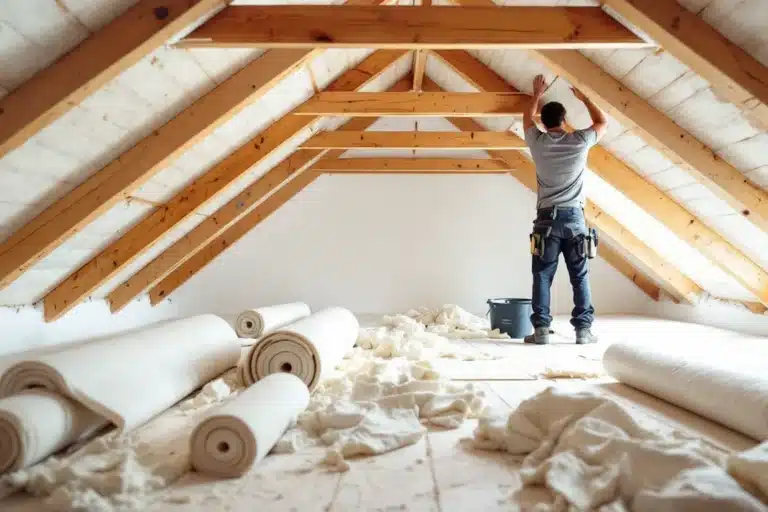
Ceiling and underfloor insulation must meet minimum R‑values that were upgraded in 2019. For most parts of the country, ceiling insulation needs to achieve R 2.9 or higher, while underfloor insulation requires R 1.3. In colder climate zones, the ceiling requirement rises to R 3.3. The existing insulation also has to be in reasonable condition—no large gaps, thinning patches or damp‑damaged material.
If a property already had insulation installed before 2016, it may not meet the current thickness requirements, and topping it up is often the simplest fix. Many landlords choose to overlay new batts or blow additional loose‑fill material into the ceiling cavity. Underfloor foil insulation must be removed unless it was installed before 1 July 2016 and is in safe condition, due to the electrical safety risks foil can pose.
Timber‑framed floors are the main focus, but the standard also covers areas like the walls between a garage and a living space in some situations. Exemptions exist for homes where installing insulation is physically impractical, such as skillion roofs with no accessible cavity, but you’ll need to record the reason and keep evidence.
Every rental home must have extractor fans in rooms that produce high levels of moisture—kitchens and bathrooms. The fan must be vented to the outside, not into the ceiling cavity. In a kitchen, the fan or rangehood needs a minimum airflow of 50 litres per second. In a bathroom, that figure drops to 25 litres per second. The fan can be run independently or combined with a bathroom light, as long as the extraction rate is achieved.
Alongside mechanical ventilation, the home must have openable windows in the living room, dining room, kitchen and each bedroom. The total openable area in each room needs to equal at least five per cent of the floor area. This ensures tenants can naturally ventilate the space on dry days, which complements the mechanical extraction to keep moisture levels low.
If your existing fans are noisy or ineffective, replacing them with modern, quieter units is a sensible move. Many tenants will simply avoid using a fan that sounds like a jet engine, which can lead to condensation problems regardless of whether the paperwork says the fan is installed. So it pays to consider performance as well as compliance.
The goal here is to stop water from getting into the home in the first place. Landlords must ensure there is effective drainage for stormwater, surface water and groundwater. Gutters, downpipes and drains need to be functioning properly, and any plumbing leaks should be fixed promptly. Standing water under the house or against external walls is a red flag that the drainage system isn’t coping.
If a property has an enclosed subfloor space, the standard requires a ground moisture barrier. In most cases, this is a polythene sheet laid over the ground beneath the floor, which stops moisture from rising up into the floor structure and, eventually, into the living areas. The barrier needs to cover the entire subfloor and be well lapped at joins, with the edges turned slightly up piles where possible.
Some older villas and bungalows have very little ground clearance. If installing a moisture barrier is genuinely impractical, you can apply for an exemption through Tenancy Services, but you’ll need to justify why it cannot be done. Otherwise, it’s worth getting a professional to assess the subfloor and quote for the installation, as the materials themselves are not expensive.

Draughts sap heat and push up power bills, so the standards require landlords to block unreasonable gaps and holes that let outside air into the home. Think gaps around doors, windows, skylights, fireplaces and even where pipes or cables pass through walls. The test is whether a piece of paper the thickness of a standard banknote can slide through the gap—if it can, it probably needs sealing.
Common DIY fixes include installing brush seals on external doors, replacing worn weatherstripping on wooden windows and fitting a chimney draught stopper in an unused open fireplace. These small jobs can make a big difference to how warm a home feels, and they’re often the cheapest part of the standards to address. The rules don’t demand absolute airtightness, just that you take reasonable steps to stop noticeable draughts.
It’s worth walking through the property on a windy day with a candle or incense stick to spot draughty spots you might otherwise miss. Remember that while you can do most of the work yourself, the result still needs to be effective enough that a tenant wouldn’t complain about cold air rushing in around their ankles on a winter evening.
Since 1 July 2024, every private rental must comply. If a tenant believes the property falls short, they can apply to the Tenancy Tribunal. The Tribunal can order the landlord to carry out the necessary work and may award exemplary damages of up to $7,200 per breach. A systemic failure across multiple standards in one property can see those penalties stack up quickly.
New tenancy agreements must include a signed healthy homes compliance statement that details what’s been done to meet each standard. Keeping good records is vital—photographs, invoices and installation certificates all help demonstrate your compliance if a dispute arises. It’s easier to keep a folder of evidence as the work is done than to scramble for it months later when a query turns up.
Meeting the healthy homes standards is more than a box‑ticking exercise. A warm, dry home is better for tenants’ health, reduces turnover and protects the property from moisture damage that can eat into your long‑term returns. Taking a methodical room‑by‑room approach, using the official guidance on the Tenancy Services website and getting qualified tradespeople where needed will give you peace of mind that your investment is both law‑abiding and tenant‑friendly.
This article is brought to you by Cutting Club. We combine cutting-edge insights and expertise from across various fields to deliver valuable, engaging content. Hungry for more? Explore our latest posts and stay informed with the best in SEO & Digital Marketing, Tech & Innovation, Health & Wellness, Finance & Investment, Lifestyle & Fashion, and Real Estate Insights!