Many of us spend the better part of our waking hours parked in a chair. Whether you work in an office, drive for a living, or spend long stretches in front of a screen at home, prolonged sitting has become the default position for modern life. What feels comfortable in the moment, however, is quietly taking a toll on your body.
Researchers have been sounding the alarm for years. Sitting for extended periods slows your metabolism, weakens major muscle groups, and increases the risk of chronic conditions such as heart disease, type 2 diabetes, and even some cancers. The tricky part is that a single trip to the gym after work does not fully undo the damage. The human body is designed for movement, and when we deny it that, things start to break down.
The good news is that small, consistent changes can make a real difference. You do not need to quit your desk job or become a full-time athlete. You just need to break up the sitting and add more movement into your daily routine. Here is what you need to know about the hidden health costs of sitting, and what you can do about it.
When you sit, your largest muscle groups — particularly in your legs and glutes — are essentially switched off. This leads to reduced blood flow, slower clearance of glucose from the bloodstream, and a drop in the enzymes that help break down fat. Over time, these metabolic changes contribute to weight gain, higher blood sugar levels, and increased cholesterol.
Your posture suffers too. Sitting for long periods shortens hip flexors, tightens hamstrings, and puts strain on your lower back and neck. Over months and years, this can lead to chronic pain, reduced mobility, and a higher risk of disc problems. Even your mood and mental performance can take a hit — poor circulation and reduced oxygen to the brain often leave you feeling foggy and fatigued.
What is particularly concerning is that the effects are cumulative. A study published in the American Journal of Epidemiology found that adults who sat for more than six hours a day had a significantly higher risk of premature death compared with those who sat for less than three hours. The risk remained even after adjusting for physical activity levels, which suggests that the total time spent sitting matters just as much as how much you exercise.
It is a common belief that if you exercise for 30 minutes a day, you are protected from the harms of sitting. Unfortunately, that is not how it works. While regular exercise is undeniably important for overall health, it does not cancel out the negative effects of an otherwise sedentary day. Think of it this way: you can run for half an hour in the morning, but if you then sit for nine hours straight, your body still spends the vast majority of the day in a low-energy state.
What matters more is the total amount of time you spend sitting and how often you break it up. Even short bursts of movement — standing up, stretching, walking to the kitchen — can restart your metabolism and improve circulation. The goal is not to eliminate sitting entirely (that is unrealistic for most people) but to interrupt it regularly.
This is where the concept of ‘movement snacks’ comes in. Instead of trying to fit in one big block of exercise, you sprinkle small bouts of activity throughout the day. Stand up every 30 minutes, take the stairs, walk during phone calls, or do a few squats while waiting for the kettle to boil. These micro-movements add up and can significantly reduce the health risks associated with prolonged sitting.

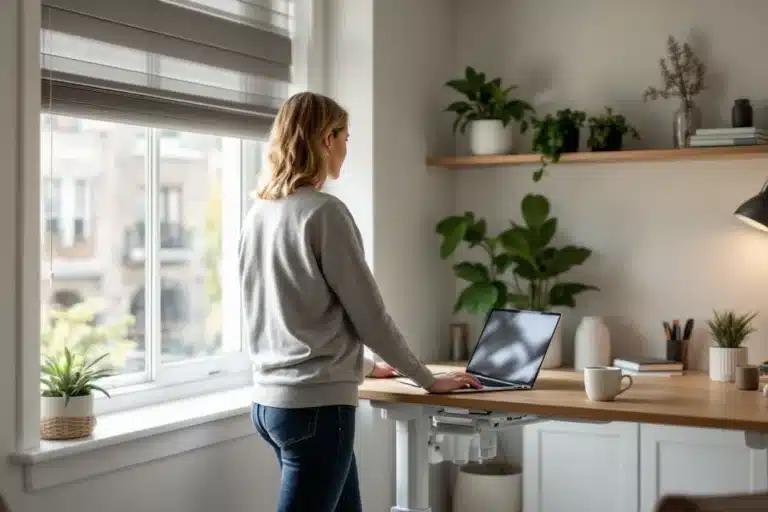
If you work at a desk, one of the simplest changes is to set a timer or use a standing desk. Alternating between sitting and standing every 30 minutes can reduce back pain and improve energy levels. If a standing desk is not an option, try placing your laptop on a high counter or a stack of books for part of the day. Even standing for a few minutes every hour is better than nothing.
At home, look for opportunities to move. Walk around while you scroll on your phone, do calf raises while brushing your teeth, or take a short stroll after dinner. In New Zealand, many of us are lucky enough to have access to beautiful outdoor spaces. A quick walk around the block or through a local park can do wonders for both your physical and mental health.
If you are driving long distances, take regular breaks. Stop every hour or so, get out of the car, and stretch your legs. This is not just good for your muscles; it also helps you stay alert behind the wheel. For those who spend a lot of time on the couch watching TV, try getting up during ad breaks or doing some light stretching while you watch.
It is also worth reconsidering your commute. If you can walk or cycle part of the way to work, you are already reducing your sitting time and getting your heart rate up. For those who use public transport, getting off a stop earlier and walking the rest of the way is an easy win. These small habits, repeated daily, can have a meaningful impact on your long-term health.
Building strength in your core, glutes, and back can help counteract the postural problems caused by sitting. Exercises like squats, lunges, planks, and bridges are particularly useful because they activate the muscles that become lazy when you sit. You do not need a gym membership to do these — a few minutes of bodyweight exercises at home a few times a week can make a difference.
Mobility work is equally important. Hip flexor stretches, hamstring stretches, and gentle spinal rotations can help undo some of the stiffness that accumulates during a long day in a chair. A simple routine before bed or first thing in the morning can keep your joints and muscles from seizing up.
If you are unsure where to start, consider talking to a physiotherapist or a qualified exercise professional. They can assess your posture and recommend specific exercises for your needs. The Ministry of Health also provides general guidelines on physical activity that can help you plan a balanced routine.
It is also wise to think about your workstation setup. An ergonomic chair, a monitor at eye level, and a keyboard positioned so your wrists are straight can reduce strain on your body. If you work from home, do not overlook the importance of a proper desk and chair. Working from the couch or bed might feel comfortable, but it often leads to poor posture and aches and pains.
The message is clear: sitting less and moving more is one of the most effective things you can do for your health. You do not need to overhaul your life overnight. Start by identifying the longest periods you spend sitting and find one or two ways to break them up. Maybe it is a five-minute walk after lunch, a standing meeting, or a stretch break every hour.
Over time, these small changes become habits, and the benefits compound. You will likely notice improved energy, less stiffness, and better focus. Your body will thank you, not just today but for years to come. After all, movement is what our bodies are built for — and every little bit counts.
Taking steps to reduce your sitting time is not about perfection; it is about progress. By making a few simple adjustments to your daily routine, you can protect your health and feel better in the process. Your future self will thank you.
This article is brought to you by Cutting Club. We combine cutting-edge insights and expertise from across various fields to deliver valuable, engaging content. Hungry for more? Explore our latest posts and stay informed with the best in SEO & Digital Marketing, Tech & Innovation, Health & Wellness, Finance & Investment, Lifestyle & Fashion, and Real Estate Insights!