The prefabricated homes market in New Zealand is experiencing significant growth, driven by the increasing demand for affordable, sustainable, and efficient housing solutions. Prefabricated, or prefab, homes are built off-site in controlled factory environments and then transported to their final location for assembly. This innovative construction approach is reshaping the housing landscape, offering a viable alternative to traditional building methods.
With New Zealand facing ongoing housing shortages and rising construction costs, prefab homes are emerging as a practical solution. They cater to a wide range of buyers, from first-time homebuyers to retirees looking to downsize, and even developers seeking faster project completion.
One of the most appealing aspects of prefab homes is their cost-effectiveness. Traditional construction often involves unpredictable expenses, delays, and labour shortages. In contrast, prefab homes are manufactured in factories, where materials are purchased in bulk, and construction processes are streamlined. This efficiency translates to lower costs for buyers, making homeownership more accessible.
Prefab homes can be completed in a fraction of the time it takes to build a traditional house. Since the components are constructed off-site, weather delays and other on-site challenges are minimised. Once the modules are ready, assembly on-site is quick, often taking just a few weeks. This speed is particularly beneficial in New Zealand, where housing demand often outpaces supply.
Sustainability is a key driver of the prefab homes market. Many manufacturers use eco-friendly materials and energy-efficient designs, reducing the environmental impact of construction. Additionally, the controlled factory environment minimises waste, as materials are precisely measured and utilised. For environmentally conscious buyers, prefab homes offer a greener alternative to conventional housing.
Contrary to the misconception that prefab homes are cookie-cutter, modern prefab designs offer a high degree of customisation. Buyers can choose from a variety of layouts, finishes, and features to create a home that suits their lifestyle and preferences. Advances in design technology have made it possible to produce prefab homes that are both stylish and functional.
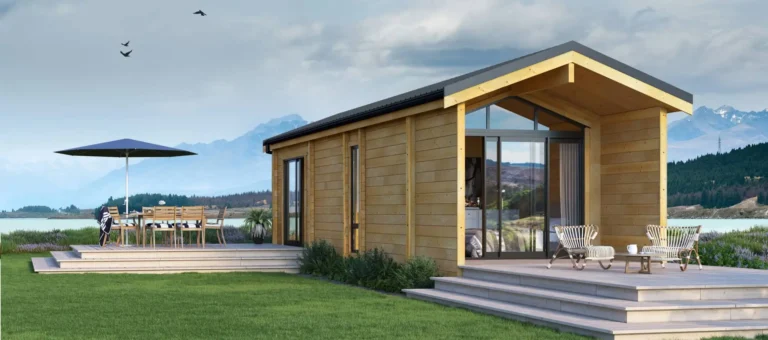
While the prefab homes market is thriving, it is not without challenges. One of the main obstacles is the perception that prefab homes are lower quality than traditionally built houses. However, this misconception is gradually fading as more high-quality prefab homes are showcased and recognised for their durability and design. Take, for example, this home built by Fraemohs Homes.
Another challenge is the limited awareness of prefab options among potential buyers. Many people are still unfamiliar with the benefits and possibilities of prefab construction. Educating consumers and showcasing successful projects will be crucial to the market’s continued growth.
The future of New Zealand’s prefab homes market looks promising. As the country continues to grapple with housing affordability and sustainability issues, prefab homes offer a practical and innovative solution. Government initiatives and incentives to increase housing supply and promote sustainable construction are likely to further boost the market.
Technological advancements, such as 3D printing and modular construction, are also expected to play a significant role in the evolution of prefab homes. These innovations will enable even faster construction times, greater design flexibility, and reduced costs, making prefab homes an even more attractive option for New Zealanders.

For those exploring housing options, prefab homes present a compelling choice. They combine affordability, speed, sustainability, and customisation, addressing many of the challenges associated with traditional construction. Whether you’re a first-home buyer, a retiree, or a developer, prefab homes offer a modern and efficient way to achieve your housing goals.
As the market continues to grow, prefab homes are set to become a mainstream housing solution in New Zealand. By embracing this innovative approach, homeowners can enjoy the benefits of high-quality, sustainable, and cost-effective living.
If you’re considering a prefab home, start by researching reputable manufacturers and exploring their design options. Visit show homes, read reviews, and consult with experts to find the right fit for your needs. With the right planning and support, your dream home could be just a few months away.
This article is brought to you by Cutting Club. We combine cutting-edge insights and expertise from across various fields to deliver valuable, engaging content. Hungry for more? Explore our latest posts and stay informed with the best in SEO, digital marketing, tech, health, finance, lifestyle, and real estate!
Priya Sharma says:
I reckon prefab homes could genuinely help with our housing shortage, but I’d watch the hidden costs around site prep and council approvals, which can blow out timelines faster than most builders anticipate.
colin.w says:
Yeah but the real issue is those hidden costs aren’t really hidden if you do your homework upfront, so I reckon it’s more about buyers not wanting to spend time on due diligence than prefab being the problem. Site prep blowouts happen with traditional builds too, mate.
Sergio P. says:
Nah, the site prep costs around here are what’ll actually kill the deal for most folks, not the prefab price itself.
Jack says:
Nah, I reckon the council approval bit gets way overstated though. Been watching what’s happening with the bigger prefab operators and most of them have already got their resource consent sorted before they even break ground on the build itself. The real holdup is more often the landowner not having their ducks in a row before they sign on. Site prep yeah, that’s legit, but councils aren’t really the bottleneck these days.
Tom G. says:
Site prep and council approvals blowing out timelines is real, but the bigger issue you’re glossing over is the actual per-square-metre cost of prefabs still sits pretty close to traditional builds once you factor in transport and on-site labour, so the savings angle feels more marketing than substance.
dean_builds says:
Site prep costs are the real killer mate, seen jobs blow out 20-30k easy before a single prefab panel even arrives on site.