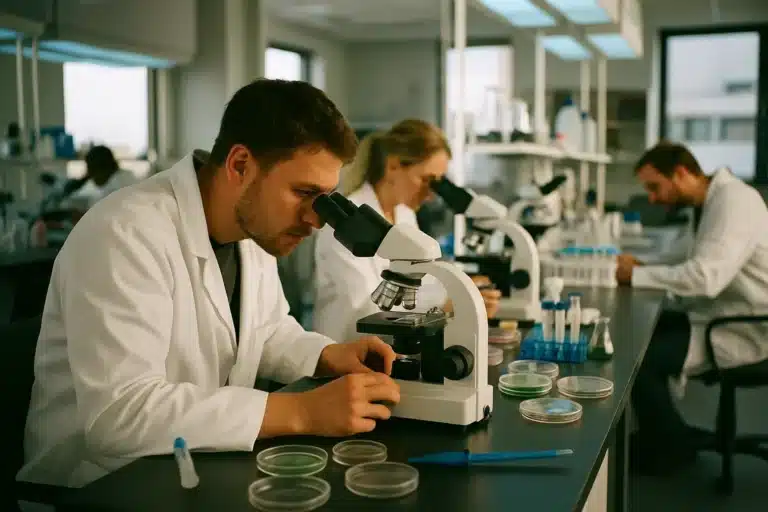
Biotechnology is reshaping medical treatments in ways that seemed impossible just decades ago. From personalised therapies that target specific genetic markers to lab-grown organs that could eliminate transplant waiting lists, the field represents one of the most promising areas of scientific advancement. These developments offer hope for conditions that have long been considered untreatable.
The convergence of biology and technology has already produced remarkable breakthroughs, including gene therapies for inherited diseases and immunotherapies that train the immune system to fight cancer. As research accelerates and new techniques emerge, the medical landscape continues to evolve at an unprecedented pace.
Gene therapy represents one of the most significant advances in biotechnology, offering the potential to treat diseases at their genetic source. Rather than managing symptoms, these treatments aim to correct the underlying genetic defects that cause illness. Recent successes include therapies for severe combined immunodeficiency and certain forms of inherited blindness.
Personalised medicine takes this concept further by tailoring treatments to individual patients based on their genetic profiles. Pharmacogenomics, the study of how genes affect drug responses, enables doctors to prescribe medications that work best for each patient while minimising adverse reactions. This approach has shown particular promise in cancer treatment, where genetic analysis of tumours guides the selection of targeted therapies.
The development of CRISPR-Cas9 gene editing technology has accelerated progress in this field. This precise molecular tool allows scientists to make specific changes to DNA sequences, potentially correcting genetic mutations that cause disease. Clinical trials are currently exploring CRISPR applications for conditions ranging from sickle cell disease to certain cancers.
Regenerative medicine focuses on repairing or replacing damaged tissues and organs using the body’s own healing mechanisms. Stem cell therapy, one of the most studied approaches, uses these versatile cells to regenerate damaged tissue in conditions such as spinal cord injuries and heart disease.
Tissue engineering combines cells, biomaterials, and growth factors to create functional tissue replacements. Scientists have successfully grown skin, cartilage, and even simple organs in laboratory settings. Researchers are working towards more complex organs, including hearts, livers, and kidneys, which could address the critical shortage of donor organs.
3D bioprinting technology has emerged as a powerful tool in this field, allowing scientists to print living tissues layer by layer. This technique shows promise for creating personalised implants and eventually whole organs using a patient’s own cells, which would eliminate the risk of rejection.
Immunotherapy represents a paradigm shift in cancer treatment, harnessing the power of the immune system to fight malignant cells. CAR-T cell therapy, where a patient’s T cells are genetically modified to better recognise and attack cancer cells, has shown remarkable success in treating certain blood cancers.
Checkpoint inhibitors, another form of immunotherapy, work by removing the brakes on the immune system, allowing it to mount a more effective response against cancer cells. These treatments have transformed outcomes for patients with melanoma, lung cancer, and other previously difficult-to-treat malignancies.
Cancer vaccines, designed to prevent or treat cancer by training the immune system to recognise cancer-specific antigens, represent another promising avenue. Unlike traditional vaccines that prevent infectious diseases, these therapeutic vaccines are administered after cancer diagnosis to boost the immune response against tumour cells.

Synthetic biology, which involves designing and constructing new biological parts and systems, opens up entirely new possibilities for medical treatments. Scientists are engineering bacteria to produce therapeutic compounds, creating living medicines that can be programmed to respond to specific conditions within the body.
Nanotechnology applications in medicine continue to expand, with nanoparticles being developed to deliver drugs directly to diseased cells while sparing healthy tissue. These targeted delivery systems could make existing treatments more effective while reducing side effects.
Artificial intelligence is accelerating biotechnology research by analysing vast datasets to identify new drug targets and predict treatment responses. Machine learning algorithms can process genetic information, medical imaging, and clinical data to identify patterns that might escape human observation.
Despite the promise of these technologies, significant challenges remain. Manufacturing complex biological products requires sophisticated facilities and quality control systems. The cost of developing and producing these treatments often results in high prices that limit patient access.
Regulatory frameworks continue to evolve to address the unique characteristics of biotechnology products. Agencies like the WHO are working to establish international standards for the development and approval of advanced therapies, ensuring both safety and efficacy while enabling innovation.
Ethical considerations also play a crucial role in biotechnology advancement. Questions about genetic privacy, the modification of human embryos, and equitable access to advanced treatments require ongoing dialogue between scientists, ethicists, and policymakers.
The integration of biotechnology into mainstream medical practice requires continued investment in research infrastructure and education. Medical professionals need training in new technologies, while healthcare systems must adapt to accommodate personalised treatment approaches.
Collaboration between academic institutions, biotechnology companies, and healthcare providers will be essential for translating laboratory discoveries into practical treatments. Public-private partnerships can help bridge the gap between research and clinical application while managing development costs and risks.
Biotechnology stands poised to transform medical treatment in ways that will benefit patients worldwide. While challenges around cost, access, and regulation remain, the potential to treat previously incurable diseases and improve quality of life for millions makes continued investment in this field essential. The next decade will likely see many of today’s experimental therapies become standard medical practice.
This article is brought to you by Cutting Club. We combine cutting-edge insights and expertise from across various fields to deliver valuable, engaging content. Hungry for more? Explore our latest posts and stay informed with the best in SEO & Digital Marketing, Tech & Innovation, Health & Wellness, Finance & Investment, Lifestyle & Fashion, and Real Estate Insights!