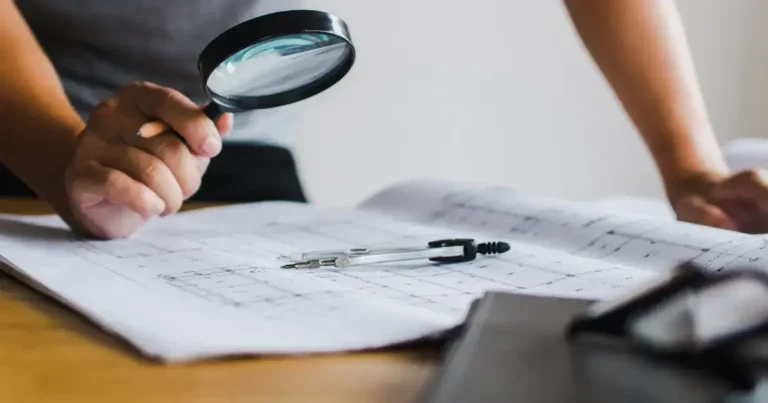
Building inspections are a crucial component of the construction and real estate industries, serving as a safeguard for safety, quality, and compliance. These evaluations are comprehensive assessments conducted by qualified inspectors to ensure that buildings adhere to established codes and standards. The primary objective is to verify that structures are safe for occupancy and use while meeting all regulatory requirements.
Inspections encompass various aspects, including structural integrity, electrical systems, plumbing, fire safety measures, and overall environmental health. By identifying potential hazards or deficiencies early on, building inspections can prevent costly repairs down the line and mitigate risks associated with structural failures or code violations. This proactive approach is vital not only for new constructions but also for renovations and existing properties changing.
Moreover, builders report provides peace of mind to property owners, buyers, tenants, and the public at large. They offer an unbiased evaluation of a property’s condition, which can be instrumental in real estate transactions or routine maintenance planning. As urban landscapes continue to evolve with new developments and ageing infrastructures alike, the role of building inspections remains indispensable in promoting sustainable growth while ensuring that communities remain safe and resilient against unforeseen challenges.
Building inspections play a crucial role in ensuring the safety, integrity, and longevity of structures. These inspections serve as a comprehensive assessment of a building’s condition, identifying potential hazards and compliance issues that could compromise the well-being of its occupants. By systematically evaluating structural elements, electrical systems, plumbing, and other critical components, building inspectors can uncover hidden problems that might not be immediately visible to untrained eyes.
The importance of building inspections extends beyond mere safety concerns. They are instrumental in maintaining property values by preventing minor issues from escalating into major repairs that can be costly and time-consuming. Regular inspections help property owners stay ahead of maintenance needs, thereby preserving the aesthetic and functional quality of buildings over time.
Moreover, building inspections are often mandated by local authorities to ensure adherence to established codes and regulations. Compliance with these standards is essential for legal occupancy and can also influence insurance premiums. For prospective buyers or tenants, an inspection a build provides invaluable insights into the property’s condition, aiding informed decision-making.
In essence, building inspections are an indispensable practice for safeguarding health and safety while promoting economic stability through proactive maintenance and regulatory compliance. Their role is foundational in fostering trust among property owners, occupants, and regulatory bodies alike.
Building inspections are essential for ensuring the safety, functionality, and compliance of structures with relevant codes and regulations. Various types of building inspections cater to different aspects of construction and occupancy stages. One primary category is the pre-purchase inspection, often conducted before finalising a real estate transaction. This inspection evaluates the overall condition of the property, identifying potential issues that could affect its value or safety.
Another significant type is the new construction inspection. This involves multiple stages, including foundation, framing, plumbing, electrical systems, and final walkthroughs to ensure every component meets local building codes and standards. Specialised inspections, such as electrical and plumbing inspections, focus on specific systems within a building to verify their proper installation and function.
Commercial property inspections differ from residential ones due to their scale and complexity. These inspections assess structural integrity, mechanical systems, fire safety measures, and accessibility compliance under council guidelines, among other factors crucial for business operations.
Periodic maintenance inspections are also vital for existing buildings. These regular check-ups identify wear-and-tear issues early on to prevent costly repairs later. Additionally, environmental inspections focus on detecting hazardous materials like asbestos or mould that could pose health risks.
Each type of building inspection plays a crucial role in maintaining the safety and longevity of structures while ensuring they meet all regulatory requirements.
A building inspection is a critical process that ensures the safety, functionality, and compliance of a structure with various regulations and standards. Key components of a building inspection include structural integrity, electrical systems, plumbing, HVAC (heating, ventilation, and air conditioning), roofing, insulation, and overall safety features.
Structural integrity is assessed to ensure the foundation, walls, floors, and roof are sound and free from damage or defects that could compromise the building’s stability. The electrical system is scrutinised to confirm it meets code requirements and functions safely without risk of fire or electric shock. Inspectors check for proper wiring, grounding, circuit breakers, and the condition of outlets.
Plumbing is another vital component where inspectors evaluate pipes for leaks or corrosion to prevent water damage or contamination. The HVAC system undergoes examination to verify it operates efficiently and safely provides adequate heating and cooling throughout the building.
Roof inspections are conducted to detect leaks or wear that could lead to water infiltration. Insulation checks ensure energy efficiency by verifying sufficient thermal barriers are in place. Lastly, overall safety features such as fire alarms, carbon monoxide detectors, emergency exits, and accessibility compliance are reviewed to protect occupants’ well-being. Each element collectively ensures a comprehensive evaluation of the building’s condition.

When conducting building inspections, several common issues frequently emerge, reflecting both the age and maintenance history of the structure. One prevalent problem is water damage, often stemming from roof leaks, faulty plumbing, or inadequate drainage systems. This issue can lead to mould growth and structural weakening if not promptly addressed.
Electrical system deficiencies are another critical concern. Outdated wiring, overloaded circuits, and non-compliant installations pose significant fire hazards and can result in power outages or electrical shocks. Inspectors also often encounter HVAC (Heating, Ventilation, and Air Conditioning) system problems such as inefficient operation due to poor maintenance or incorrect installation.
Foundation issues can manifest in the form of cracks in walls or floors, uneven settling, or moisture intrusion. These signs may indicate more severe underlying structural problems that could compromise the building’s integrity over time.
Furthermore, inspectors commonly identify safety code violations related to stairways, handrails, and fire exits. Missing or malfunctioning smoke detectors and fire extinguishers are typical oversights that can dramatically affect occupant safety during emergencies.
Pest infestations also surface as a frequent issue during inspections. Termites and rodents not only cause physical damage but also pose health risks to occupants.
Addressing these common issues promptly ensures the longevity of the building while safeguarding its inhabitants’ well-being.
Preparing for a building inspection is a crucial step in ensuring that the process goes smoothly and efficiently. The first thing to consider is understanding the specific requirements and criteria that the inspector will be evaluating. Familiarising yourself with local building codes, safety regulations, and any recent amendments will provide a solid foundation.
Next, conduct a thorough pre-inspection check of the property. This includes examining structural elements such as foundations, walls, and roofs for any signs of damage or wear. Pay close attention to plumbing systems, electrical wiring, and HVAC units to ensure they are functioning correctly and meet current standards. It’s also wise to inspect fire safety measures like alarms, extinguishers, and emergency exits.
Documentation plays an essential role in preparing for a building inspection. Gather all relevant permits, previous inspection reports, maintenance records, and certificates of compliance. Having these documents organised and readily available can significantly streamline the inspection process.
Communication with tenants or occupants is equally important if applicable. Inform them about the upcoming inspection date and time so they can make necessary arrangements or preparations.
By taking these comprehensive steps in advance, you not only facilitate a smoother inspection but also demonstrate your commitment to maintaining high standards of safety and quality in your building.
After the completion of a building inspection, the process enters a crucial phase known as post-inspection procedures and follow-up. This stage ensures that any identified issues are addressed promptly and thoroughly, safeguarding the integrity and safety of the structure.
Initially, the inspector compiles a detailed report outlining their findings. This document is comprehensive, covering everything from minor cosmetic defects to significant structural concerns. Property owners or managers need to review this report meticulously. Understanding the implications of each noted deficiency allows for informed decision-making regarding necessary repairs or improvements.
Once the report has been scrutinised, it is time to prioritise actions based on urgency and impact. Critical issues that pose immediate safety risks should be addressed without delay, while less urgent matters can be scheduled accordingly. Engaging qualified contractors or specialists may be necessary for complex repairs, ensuring that all work complies with local building codes and standards.
Communication is key during this phase. Keeping all stakeholders informed about progress helps maintain transparency and accountability. Regular updates can prevent misunderstandings and ensure that everyone involved remains aligned toward achieving a safe and compliant building environment.
Ultimately, diligent post-inspection procedures not only rectify existing problems but also contribute to long-term maintenance strategies, fostering a culture of proactive care and responsibility in property management.
This article is brought to you by Cutting Club. We combine cutting-edge insights and expertise across various fields to bring you valuable and engaging content. Hungry for more? Explore our latest posts and stay informed with the best in SEO & Digital Marketing, Tech & Innovation, Health & Wellness, Finance & Investment, Lifestyle & Fashion, and Real Estate Insights!